April 29, 2026
Homeowners planning a driveway paving project should expect a structured process that involves planning, preparation, and material selection. Working with driveway contractors early helps ensure the project runs smoothly from start to finish. Understanding each phase in advance can reduce stress and prevent unexpected costs or delays.
A successful driveway project depends on clear communication, realistic expectations, and proper site evaluation. From budgeting to installation, every step plays an important role in long-term performance. Homeowners who stay informed are more likely to achieve durable and visually appealing results.
1. Initial Consultation and Planning
1.1 Understanding Needs and Preferences
The planning stage begins with identifying how the driveway will be used and what design fits the home best. Homeowners should consider vehicle weight, daily traffic, and long-term functionality before making decisions. Working with driveway contractors during this phase helps align expectations with practical construction requirements.
Aesthetic choices also matter, including color, layout, and finish style. A well-planned driveway should complement the home’s exterior and surrounding landscape. Clear communication with professionals helps ensure the final design meets both functional and visual goals.
1.2 Budgeting and Cost Estimation
Budgeting is one of the most important steps in any paving project and should be addressed early. Homeowners are encouraged to compare estimates and understand what is included in each quote. Experienced driveway contractors can help break down costs for materials, labor, and site preparation.
It is also important to consider long-term value when setting a budget. Investing in quality materials and proper installation often reduces maintenance costs over time. Careful planning helps prevent financial surprises and supports a smoother project experience overall.
1.3 Timeline and Scheduling
Every driveway project follows a timeline that depends on weather, materials, and contractor availability. Homeowners should expect some flexibility as conditions may shift during construction. Clear scheduling discussions with professionals help keep the project on track.
Curing time is another important factor that affects the overall schedule. New driveways may need several days before they can be safely used. Understanding these delays helps homeowners plan accordingly and avoid premature damage.
1.4 Selecting the Right Contractor
Choosing the right team is essential for a successful paving project. Homeowners should review experience, licensing, and customer feedback before making a decision. Reliable driveway contractors provide clear communication and detailed project expectations from the beginning.
It is also helpful to compare multiple professionals before selecting one. A second mention of driveway contractors becomes relevant when evaluating portfolios and past work quality. This step ensures homeowners choose a team capable of delivering durable and visually consistent results.
1.5 Reviewing Materials and Design Options
Material selection has a direct impact on durability, maintenance, and appearance. Common options include asphalt, concrete, gravel, and pavers, each offering different benefits. Homeowners should weigh both cost and performance before making a final decision.
Design choices also influence curb appeal and long-term satisfaction. Patterns, textures, and finishes can be customized to match the home’s style. Consulting professionals ensures the selected materials align with both function and aesthetics.
2. Preparing the Site
2.1 Clearing and Excavation
Site preparation begins with clearing debris, vegetation, and any existing pavement. This step ensures a clean surface for proper installation and long-term stability. Many driveway contractors emphasize excavation as one of the most critical stages of the project.
Excavation depth depends on soil conditions and paving material. According to Today’s Homeowner, asphalt driveways typically require a thickness of 2 to 4 inches, and added thickness increases durability. Proper grading during this stage helps prevent drainage issues and structural problems later on.
2.2 Drainage Planning
Effective drainage design prevents water from pooling on the driveway surface. Without proper planning, water can lead to cracking, erosion, and early deterioration. Contractors often adjust grading to ensure water flows away from the structure.
Additional drainage systems may be installed in areas with heavy rainfall or poor soil absorption. These solutions help protect both the driveway and the surrounding landscape. Proper drainage significantly extends the lifespan of the paved surface.
2.3 Soil Stabilization
Soil stabilization strengthens the ground beneath the driveway and improves load-bearing capacity. This step is especially important in areas with loose or clay-heavy soil. Materials like lime or cement may be used to reinforce the base.
A stable foundation prevents shifting and cracking after installation. Without proper stabilization, even high-quality surfaces can fail prematurely. This process ensures long-term structural reliability.
2.4 Base Layer Installation
The base layer provides essential support for the surface material. It is usually made of compacted gravel or crushed stone that creates a stable foundation. Proper installation of this layer is crucial for durability.
Compaction ensures there are no air gaps that could lead to settling over time. A well-built base layer improves drainage and load distribution. This step directly affects the lifespan of the driveway.
2.5 Compaction Process
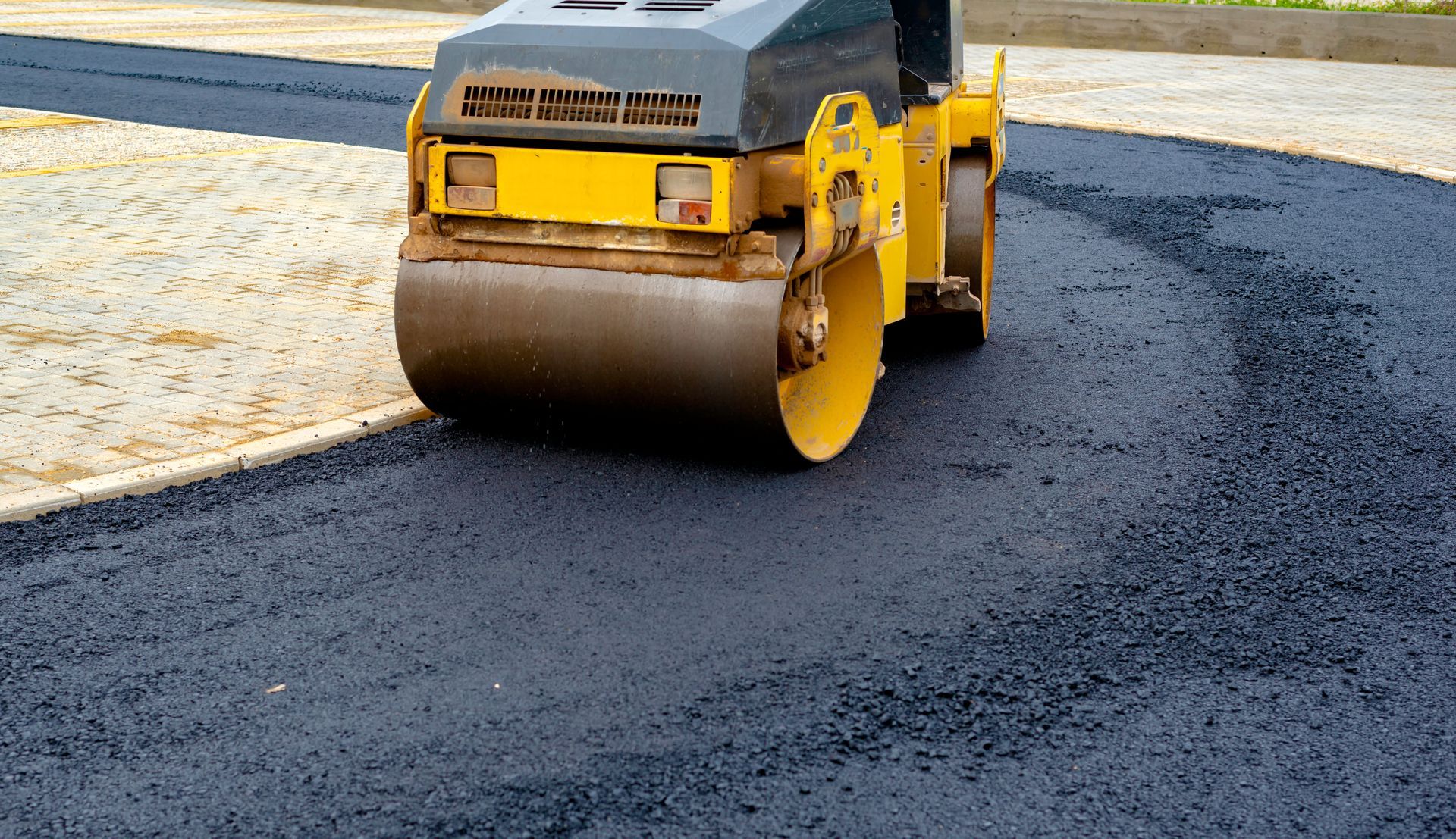
Compaction is performed using specialized equipment to create a dense and stable surface. Each layer must be compacted before the next is applied. This ensures uniform strength throughout the structure.
Proper compaction reduces the risk of cracks and surface movement. It also improves resistance to weather and heavy vehicle traffic. Skipping this step can lead to costly repairs later.
3. Choosing the Right Paving Material
3.1 Asphalt Options
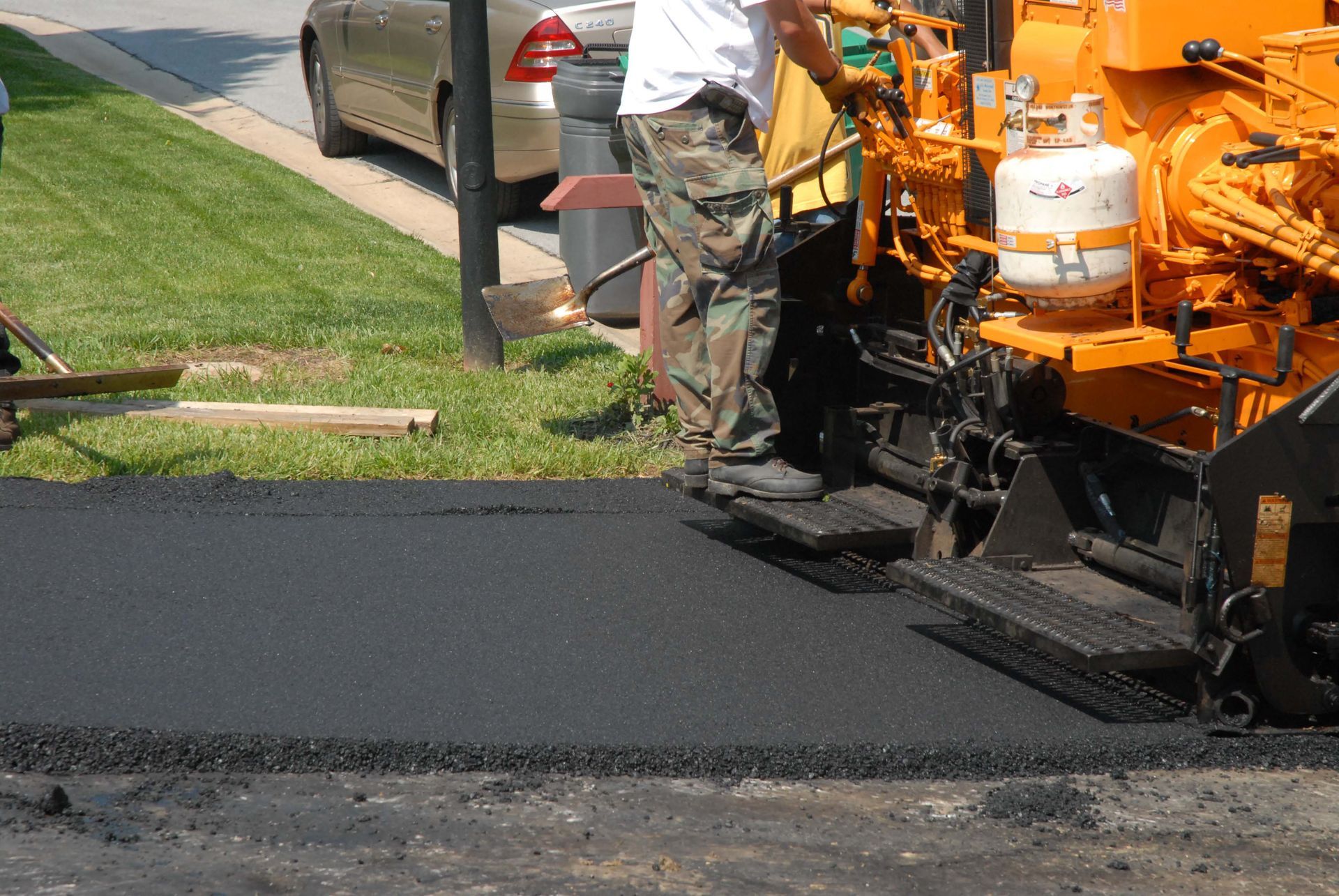
Asphalt is a common choice due to its affordability and smooth finish. It is flexible and performs well under varying weather conditions. Many homeowners prefer it for its quick installation process.
However, asphalt requires routine maintenance such as sealing and crack repair. When installed correctly, it provides long-lasting performance. Thickness and proper installation play a major role in durability.
3.2 Concrete Surfaces
Concrete offers high durability and requires minimal maintenance over time. It is strong enough to support heavy loads and frequent use. Homeowners often choose it for long-term reliability.
It can also be customized with textures and decorative finishes. While installation costs may be higher, its longevity often balances the investment. Proper sealing helps prevent staining and cracking.
3.3 Paver Systems
Pavers provide a highly customizable and visually appealing option. They come in many shapes, colors, and patterns, allowing unique driveway designs. Damaged sections can be replaced individually, which adds convenience.
They also offer good drainage between joints, reducing water buildup. However, they require occasional maintenance to prevent weed growth. Their aesthetic value often makes them a popular choice.
3.4 Gravel Driveways
Gravel is one of the most affordable paving options available. It is easy to install and provides good natural drainage. This makes it ideal for rural or low-traffic areas.
However, gravel requires periodic maintenance to keep it level and functional. Stones may need to be replenished over time. Despite this, it remains a cost-effective solution.
3.5 Eco-Friendly Alternatives
Eco-friendly materials are becoming increasingly popular in modern driveway construction. Options like permeable pavers help reduce runoff and improve drainage. These materials support sustainable landscaping practices.
Recycled asphalt is another environmentally friendly option that reduces waste. It maintains many of the benefits of traditional asphalt while lowering environmental impact. These solutions offer both performance and sustainability.
A driveway paving project involves careful planning, proper preparation, and informed material selection. Homeowners who work closely with professionals can achieve stronger, longer-lasting results. Understanding each step helps ensure a smoother construction process from start to finish.
Choosing experienced professionals and high-quality materials leads to better long-term performance and fewer repairs. With the right approach, a driveway can enhance both property value and everyday convenience for many years. For more information, contact Martin Asphalt Paving Service Inc.