August 1, 2026
In this article, we will explore the various techniques and strategies employed by a driveway contractor to ensure that asphalt driveways withstand the test of time. From the initial planning stages to the final touches, several key steps are crucial for creating a durable surface. The longevity of asphalt driveways hinges on a combination of meticulous preparation, high-quality materials, and ongoing maintenance. By understanding the factors that contribute to the durability of asphalt, homeowners can make informed decisions when investing in a new surface. This comprehensive guide will provide insight into each phase of the installation process, highlighting the best practices employed by industry professionals to deliver results that last for decades.
Evaluating soil stability is a critical step in preparing a site for an asphalt driveway. A qualified driveway contractor begins by conducting various soil tests to determine composition and load-bearing capabilities. These tests help in identifying potential issues like soil expansion or shrinkage, which can adversely affect durability over time. Soil stabilization methods, such as lime or cement treatment, are often employed to enhance the stability of the ground before asphalt application. Proper soil assessment and treatment lay a strong foundation for the surface, ensuring it can withstand the stresses of environmental conditions and regular traffic without settling or shifting unexpectedly.
Initial Site Preparation and Soil Stabilization
Once soil stability is assessed, the site must be cleared and excavated thoroughly for the installation. Clearing involves removing any existing vegetation, rocks, and debris that could interfere with the asphalt application process. Excavation follows, wherein crew members dig down to the specified depth required for a stable foundation. This step also involves creating a resilient sub-base layer that will support the asphalt and enhance its longevity. Careful clearing and precise excavation ensure that the underlying structure of the surface remains resilient and solid over many years of continuous residential or commercial use.
Proper drainage is a fundamental aspect of asphalt pavement longevity. Grading the site correctly ensures that water runoff is efficiently managed, preventing pooling or erosion that could undermine the surface structure. A skilled driveway contractor utilizes specific grading techniques to create a slope that directs water safely away from the paved area. Incorporating features such as French drains or culverts can further aid in managing excess water during heavy storms. Adequate drainage strategies not only preserve structural integrity but also enhance safety by reducing the risk of icy patches forming during colder winter months.
Environmental Assessment and Foundation Protection
Assessing environmental factors specific to the location is essential for planning a long-lasting pavement project. Factors like local climate, temperature ranges, and precipitation levels influence the choice of materials and installation techniques. Understanding these factors allows team members to select appropriate asphalt mixes designed to withstand specific regional challenges. Additionally, considering local vegetation and potential root growth can prevent future structural damage to the surface. A thorough environmental assessment helps tailor the entire installation process to maximize overall performance and long-term durability in any climate.
Preventing soil erosion under and around the paved area is crucial for maintaining overall structural integrity. Erosion can lead to structural instability and premature deterioration of the asphalt surface. Professionals implement proven erosion control measures, such as installing retaining walls, to protect the underlying foundation. Proper landscaping techniques, including planting grass or shrubs, can also stabilize surrounding soil and reduce overall erosion risk. By addressing potential erosion issues during the planning and installation phases, team members ensure the long-term stability and strength of the asphalt surface for the homeowner.
Material Selection and Mix Performance
The quality of the asphalt mix plays a significant role in the overall durability of a finished surface. High-grade asphalt mixes are formulated to provide superior strength and longevity, resisting wear and environmental pressures over time. According to HomeGuide, selecting a hot mix asphalt blend offers residential driveways the greatest level of resilience against weather elements, yielding an operational lifespan of 15 to 30 years provided routine care is maintained. The mix is carefully designed to ensure proper flexibility, preventing cracking and other common forms of damage. Selecting a high-grade mix lays the foundation for a resilient surface.
Modern asphalt technology offers a range of additives that can further enhance the durability of the final product. Polymeric additives, for example, improve flexibility and temperature resistance across extreme seasonal shifts. Other additives, such as synthetic fibers, are used to increase tensile strength and significantly reduce the risk of surface cracking. By incorporating these advanced additives into the mix, a driveway contractor can tailor the material to better withstand specific environmental and heavy load stresses. The use of such additives represents an important advancement in paving technology that benefits every installation.
Advanced Asphalt Additives and Aggregate Quality
Aggregates form a substantial part of the asphalt mix, directly influencing structural strength and overall durability. High-quality aggregates, such as crushed rock or gravel, provide the necessary support for the asphalt surface to carry heavy vehicles. The choice of aggregate affects overall wear resistance, skid resistance, and drainage capabilities across the surface. Professionals carefully select and blend aggregates to ensure a homogeneous mix that meets the specific demands of the site location. The role of quality aggregates in asphalt construction cannot be understated, as they contribute significantly to long-term performance.
Temperature and weather conditions are crucial considerations when choosing materials for driveway construction. The composition of the asphalt mix must be suited to withstand local temperature fluctuations across all four seasons. Weather variations can influence the curing process and the final integrity of the asphalt surface. Installation teams often adjust mix designs and application techniques to accommodate prevailing weather conditions, ensuring optimal material performance. Understanding climate impacts allows for strategic planning in material selection, promoting a longer-lasting surface that resists weather-induced damage throughout its operational life.
Precision Installation and Thickness Control
Consistent quality in sourcing materials is vital for maintaining desired standards in pavement construction. Reliable supply chain management ensures a steady provision of high-quality asphalt and aggregates, which are critical for a resilient surface. Professional paving companies establish partnerships with trustworthy suppliers who adhere to stringent quality controls. This supply chain consistency minimizes the risk of material defects or irregularities that could compromise durability over time. By securing quality materials through an efficient supply chain, teams maintain the integrity and overall performance of the installation across every project.
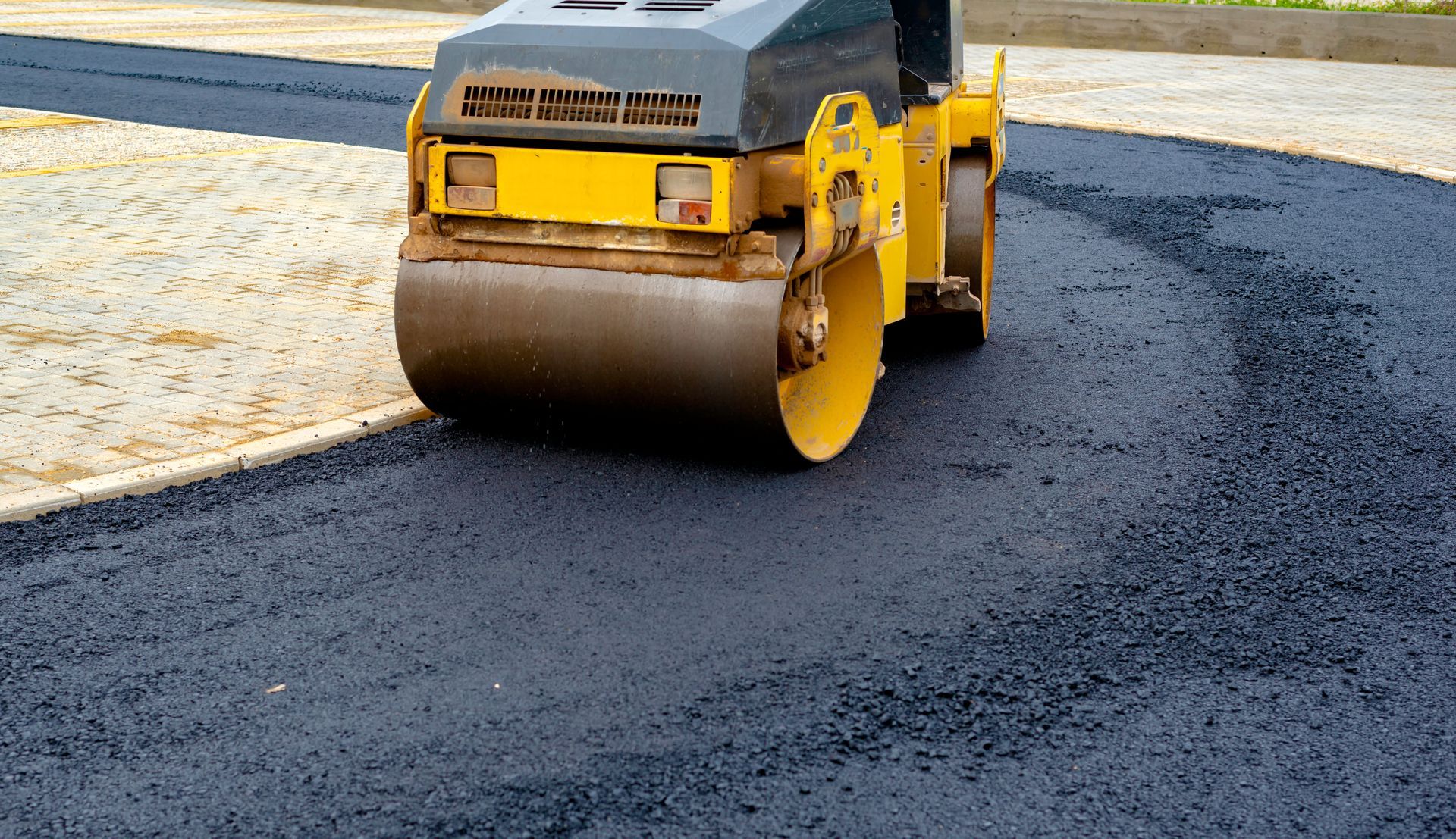
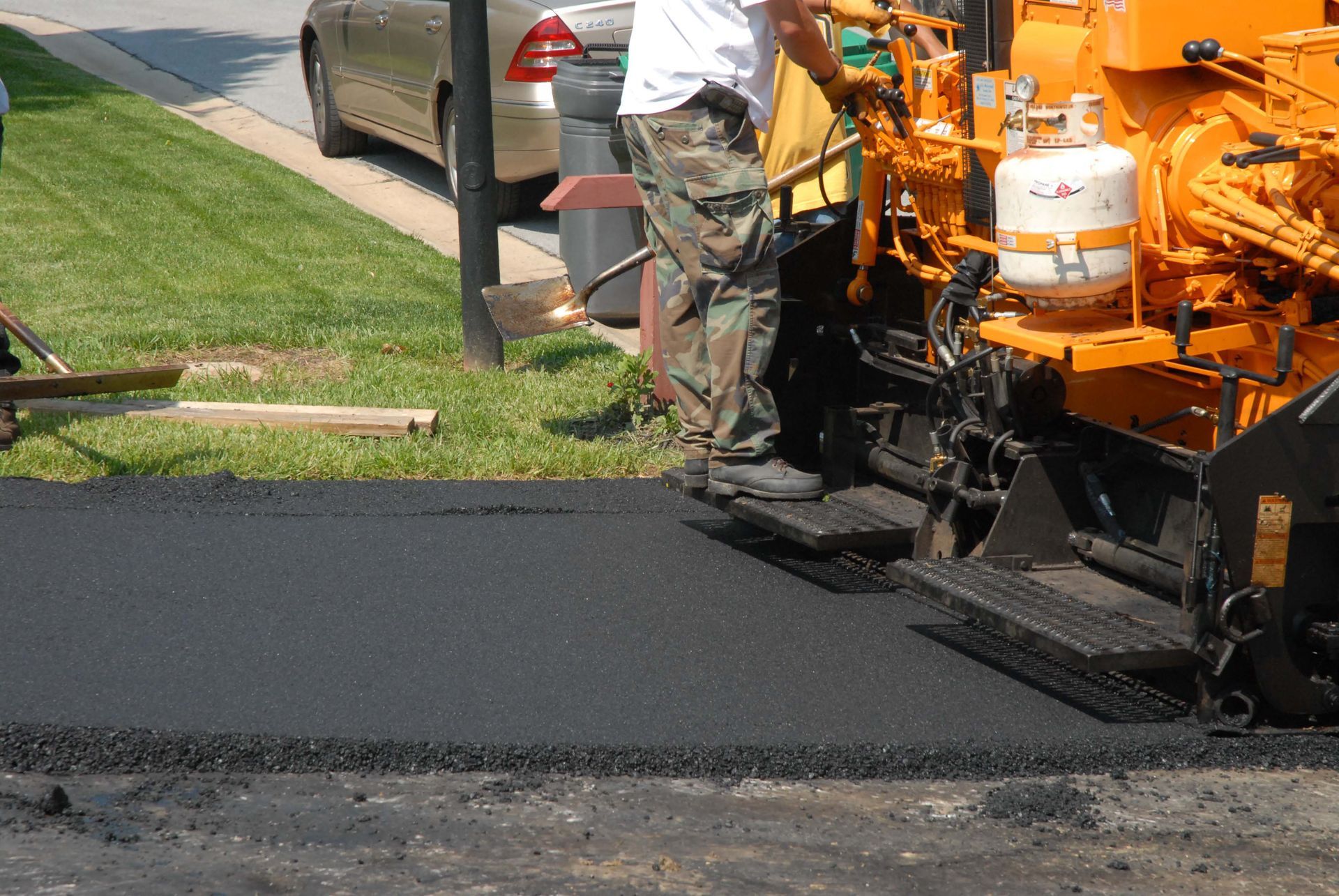
Correct laying techniques are essential for installing a smooth and durable surface. Working with an experienced driveway contractor ensures precise methods are used so asphalt is applied evenly and at the correct temperature. The use of advanced paving machinery in conjunction with skilled labor results in a compact surface, which is crucial for preventing future deterioration. Techniques such as overlapping successive truckloads and seamless compaction are implemented to avoid creating weak spots. Following these practices helps achieve a structurally sound result capable of enduring tough environmental conditions.
Compaction Methods and Edge Reinforcement
Determining the appropriate thickness for a new driveway is a critical aspect of the installation process. The asphalt thickness must be adequate to support expected vehicle loads without compromising underlying flexibility over time. Residential applications typically require a finished thickness of at least two to three inches for optimal durability. Installation teams consider factors such as anticipated vehicle traffic, existing soil conditions, and local climate when deciding final thickness specifications. Ensuring correct thickness helps prevent common issues like surface cracking and deep deformation, contributing directly to extended pavement life.
Ensuring a long-lasting asphalt driveway requires a complete approach that combines careful site planning, quality materials, precise installation techniques, and regular maintenance over time. From evaluating subgrade soil conditions to applying a protective sealcoating every few years, each step plays a vital role in preserving structural integrity and surface appearance. Knowledgeable paving teams construct smooth, resilient driveways that withstand heavy traffic and changing weather conditions seamlessly. For expert residential and commercial paving solutions that stand the test of time, reach out to Martin Asphalt Paving Service Inc.