February 5, 2026
When you invest in an asphalt driveway or paved surface, you expect it to perform well for years to come. Whether it’s a residential driveway or a commercial lot, asphalt is designed to handle traffic, weather, and daily wear. However, many property owners underestimate how much routine maintenance affects the lifespan of their pavement. At Martin Asphalt Paving Service, we often explain that asphalt is durable, but it is not maintenance-free. Sealcoating is one of the most important steps you can take to protect that investment.
Sealcoating helps preserve the structural integrity of asphalt while maintaining a clean, professional appearance. Unfortunately, it is often overlooked until visible damage appears. Understanding why sealcoating matters and how often it should be applied can save property owners from unnecessary repairs and early replacement costs.
Why Asphalt Is So Widely Used
Asphalt is one of the most common paving materials in the United States because it offers strength, flexibility, and cost efficiency. According to the National Asphalt Pavement Association, the U.S. has more than 2.7 million miles of paved roads and highways, and 94% of those are surfaced with asphalt. This widespread use is no accident. Asphalt adapts well to temperature changes, supports heavy loads, and can be installed and repaired efficiently.
Despite its durability, asphalt is constantly exposed to environmental stress. Sunlight, rain, snow, vehicle traffic, and chemical spills all contribute to gradual wear. Without protection, these factors slowly break down the binders that hold asphalt together. Over time, the surface becomes brittle, discolored, and vulnerable to cracking. Sealcoating exists to slow this process and protect the pavement from premature deterioration.
What Sealcoating Does for Asphalt Surfaces
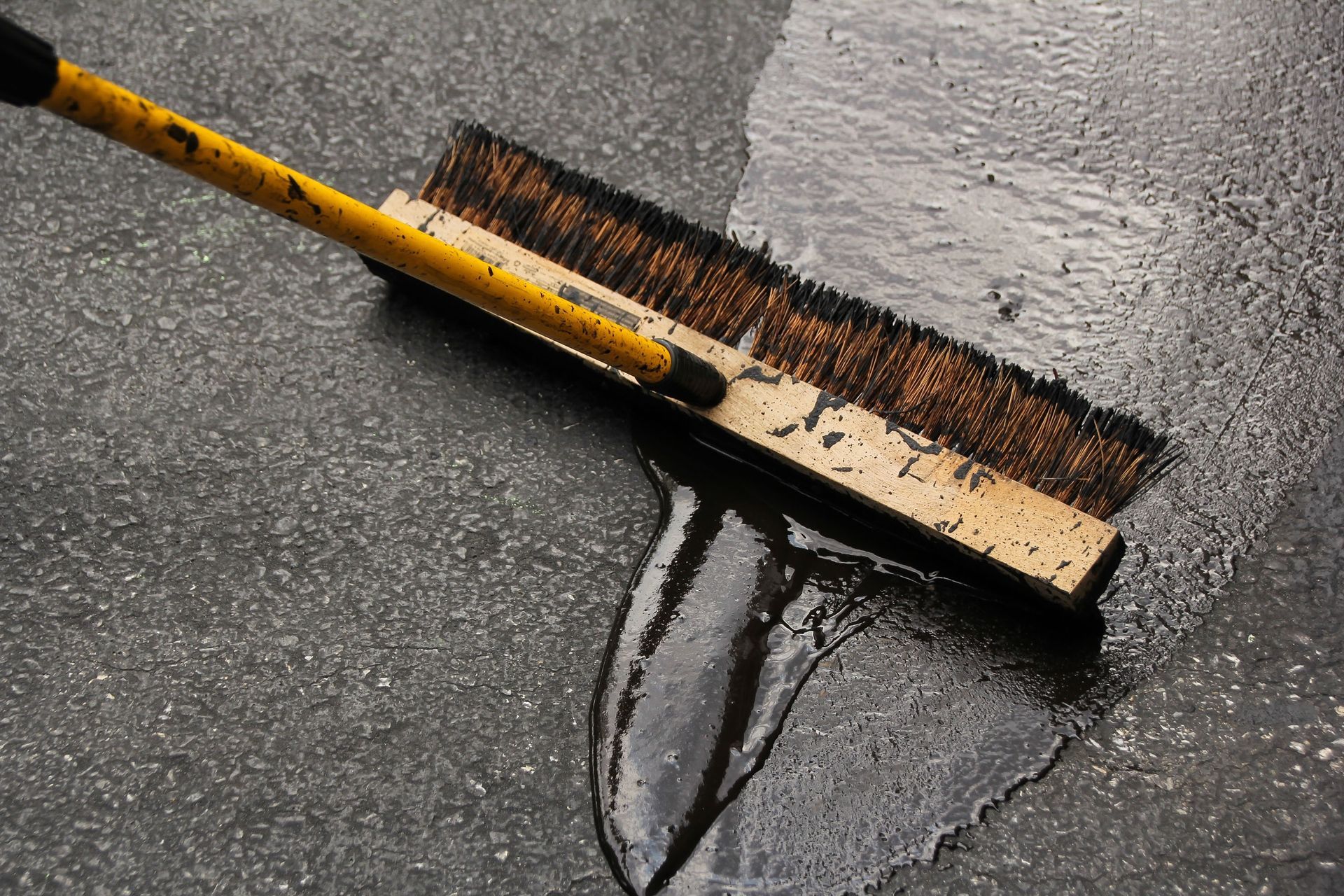
Sealcoating is a liquid protective layer applied to the surface of asphalt once it has properly cured. After application, it forms a uniform barrier that shields the pavement from common sources of damage. One of its primary functions is blocking ultraviolet rays, which cause oxidation and drying of the asphalt binder. By limiting sun exposure, sealcoating helps asphalt remain flexible rather than brittle.
In addition to sun protection, sealcoating reduces water penetration. Moisture is one of the most damaging elements for asphalt because it can seep into small cracks and weaken the base layers beneath the surface. When temperatures drop, trapped water expands and worsens cracking. Sealcoating also limits damage from oil, fuel, and other automotive fluids that can soften and degrade unprotected asphalt. Along with these protective benefits, sealcoating restores the deep black color that gives asphalt a clean, well-maintained appearance.
What Happens When Sealcoating Is Ignored
Skipping sealcoating may not seem like a big issue at first, especially if the asphalt still looks intact. However, damage often begins before it becomes obvious. As oxidation progresses, the surface starts to lose flexibility. Small cracks develop and slowly widen as water enters the pavement structure. Over time, this leads to potholes, surface failure, and costly repairs.
Property owners who delay sealcoating often find themselves facing extensive crack filling, patching or even full resurfacing much sooner than expected. These repairs cost significantly more than routine sealcoating and can disrupt daily use of the driveway or parking lot. Preventative maintenance is always more affordable and effective than reactive repairs, which is why sealcoating should be treated as a standard part of asphalt care.
How Often Sealcoating Should Be Applied
The ideal sealcoating schedule depends on several factors, including traffic volume, weather conditions, and the overall condition of the asphalt. New asphalt should be allowed time to cure before sealcoating is applied. In most cases, this means waiting six months to a year after installation. Once the initial sealcoat is applied, ongoing maintenance becomes much easier.
Residential driveways that experience light to moderate traffic typically benefit from sealcoating every two to three years. Commercial properties and high-traffic areas often require more frequent applications because of constant vehicle movement, turning, and braking. In climates with harsh winters, heavy rainfall or strong sun exposure, sealcoating may need to be done more often to maintain proper protection. At Martin Asphalt Paving Service, we evaluate each surface individually to recommend a schedule that matches real-world conditions rather than relying on generic timelines.
Visual Signs Your Asphalt Needs Sealcoating
Even without knowing the maintenance history of a paved surface, there are usually clear signs that sealcoating is needed. A faded or grey appearance often indicates oxidation and surface wear. Healthy asphalt should appear dark and uniform, not dull or patchy. Fine surface cracks are another warning sign, as they show that the asphalt is losing flexibility and beginning to break down.
Texture also matters. When asphalt becomes rough or porous, it's more likely to absorb water and chemicals. If rainwater no longer beads on the surface and instead soaks in, the existing sealcoat has likely worn away. Addressing these signs early with sealcoating can prevent further damage and restore protection before more serious issues develop.
Sealcoating and Asphalt Repairs Work Together
It’s important to understand that sealcoating is not designed to fix structural problems. Cracks, potholes, and surface depressions should be properly repaired before sealcoating is applied. Sealing over damaged asphalt without addressing these issues only hides the problem temporarily and reduces the effectiveness of the coating, often leading to faster breakdown once traffic and weather exposure continue.
Professional sealcoating includes thorough surface preparation. This involves cleaning debris, filling cracks, and repairing damaged areas as needed. Proper preparation ensures the sealcoat bonds correctly and provides long-lasting protection. When done correctly, sealcoating works hand in hand with repairs to preserve the pavement and prevent future deterioration.
Residential Sealcoating and Driveway Protection
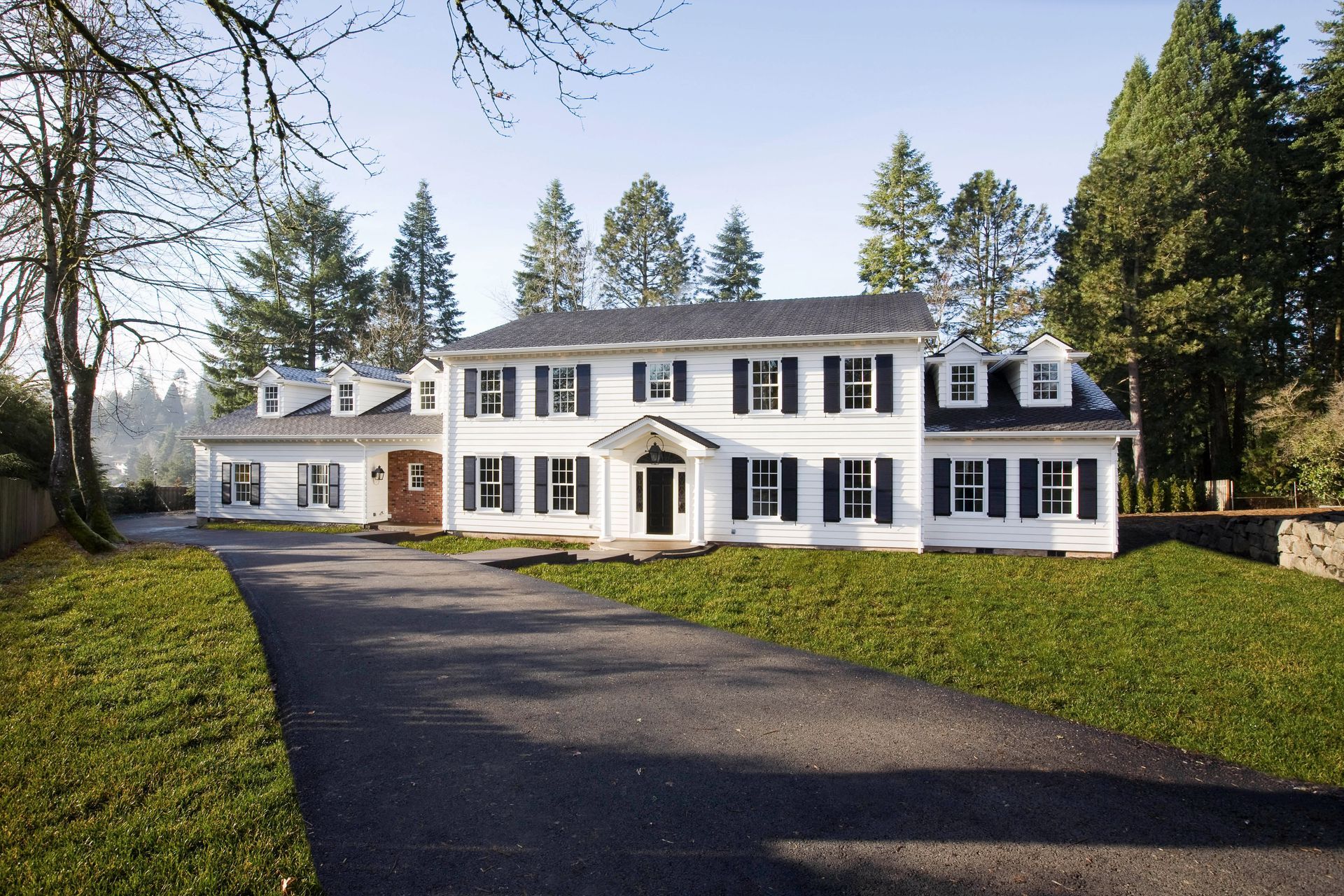
For homeowners, sealcoating plays a key role in protecting one of the most visible parts of the property. A well-maintained driveway enhances curb appeal and reflects positively on the overall home. Regular sealcoating also helps prevent common issues like cracking along edges, oil stains, and surface fading.
As a blacktop driveway contractor, Martin Asphalt Paving Service works with homeowners to provide sealcoating solutions that are efficient and minimally disruptive. Sealcoating typically cures within one to two days, allowing normal use to resume quickly. With routine maintenance, homeowners can significantly extend the life of their driveway while maintaining a clean, attractive appearance year after year.
The Importance of Sealcoating for Commercial Properties
Commercial asphalt surfaces face heavier demands than residential driveways. Parking lots, access roads, and loading areas experience constant traffic, turning movements, and exposure to oil and fuel. Without regular sealcoating, these surfaces deteriorate quickly, leading to safety concerns and a poor first impression for customers and clients.
A well-maintained parking lot signals professionalism and attention to detail. Sealcoating helps businesses maintain a polished appearance while reducing long-term maintenance costs. It also makes future repairs more manageable by slowing surface wear and preventing more serious structural damage. For many businesses, routine sealcoating is a practical way to protect both their pavement and their brand image.
Sealcoating is one of the most effective ways to protect asphalt surfaces and preserve their appearance. When applied at the right time and maintained consistently, it slows deterioration, reduces repair costs, and extends pavement life. At Martin Asphalt Paving Service, we focus on practical, long-lasting solutions that help our clients protect their asphalt and get the most out of their investment for years to come. If you need a
blacktop driveway contractor
you can count on for quality results, contact us today!