June 3, 2026
An asphalt driveway isn't just a pathway leading to your home; it's an important part of your property's overall appearance and functionality. Providing regular care and maintenance with the help of professional driveway services can significantly extend the lifespan of your asphalt driveway, enhance its appearance, and help you avoid costly repairs down the line. Let's explore the significance of regular upkeep and learn how to maintain a stunning and functional driveway.
Cleaning Regularly
Keeping an asphalt driveway clean is a fundamental aspect of its maintenance. Regular cleaning helps prevent the build-up of dirt, debris, and stains that can compromise its appearance and structural integrity. One effective cleaning technique involves sweeping the driveway regularly to remove loose debris.
For more stubborn stains, using a mixture of mild detergent and water, combined with a stiff brush, can work wonders. Oil and chemical spills should be addressed promptly to minimize permanent staining and damage to the asphalt's surface. If left unattended, these substances can penetrate the material and weaken its bond, leading to cracks and deterioration.
Creating a Seasonal Maintenance Checklist
Adopting a seasonal maintenance checklist is an effective strategy to address weather-related challenges specific to each season. In spring, checks for winter damage, particularly cracks or potholes, should be conducted, with immediate repairs prioritized. During summer, managing the effects of high temperatures, such as softening and potential deformation, is crucial.
Fall presents an opportunity to clear debris like leaves that may contribute to water retention, while proactive winter preparations can further protect the asphalt. It's advisable to apply a fresh coat before the onset of winter to provide additional protection against snow and ice. During winter, regular snow removal and the use of non-corrosive deicing agents can prevent unnecessary wear.
Inspecting for Wear and Tear
Routine inspections of the driveway's surface are essential for identifying and addressing signs of wear and tear. Regular visual assessments can help spot small cracks, potholes, and drainage issues early, preventing them from evolving into significant concerns. Early intervention by your local driveway services is a cost-effective method to minimize repairs and maintain the driveway's longevity.
Regularly documenting inspection findings can help track changes and inform effective maintenance strategies. Incorporating these inspections as part of a broader routine maintenance plan ensures that the asphalt driveway remains in optimal condition, reducing long-term repair costs and bolstering its aesthetic appeal.
Managing Drainage Effectively
Effective drainage management plays a critical role in maintaining an asphalt driveway's structure and appearance. Proper drainage systems are essential for preventing water accumulation, which can weaken the underlying layers and lead to cracks and potholes. Ensuring that gutters and downspouts are clear and in good condition is vital for directing water away from the driveway.
Grading the driveway appropriately can also facilitate effective water flow, preventing pooling and erosion. Homeowners should assess the driveway's slope and make necessary adjustments to maintain optimal drainage. Regularly inspecting the drainage systems and promptly addressing any obstructions is crucial to ensure continued effectiveness.
Implementing a Sealcoating Schedule
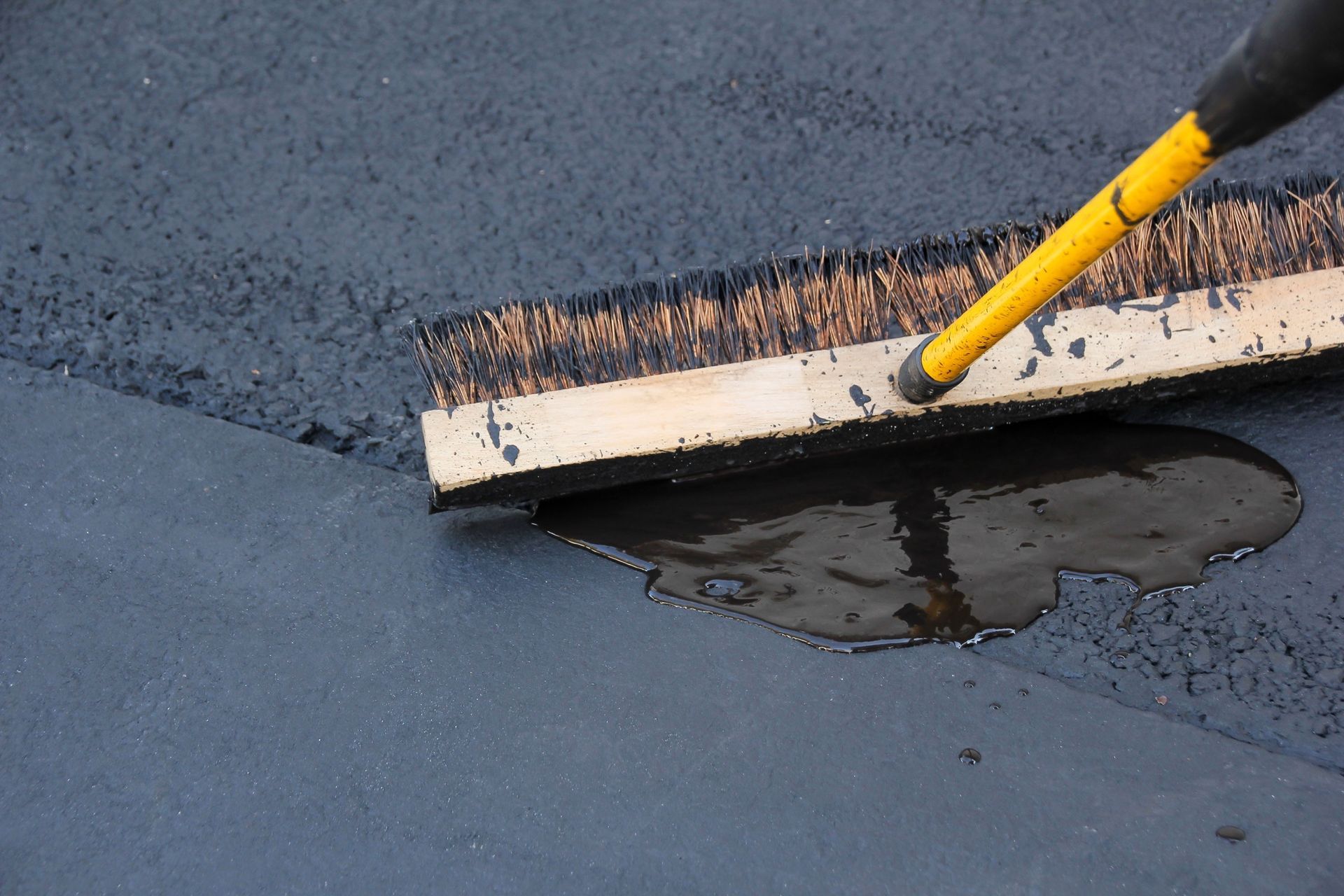
Sealcoating is a crucial maintenance practice that significantly extends the lifespan of an asphalt driveway. This protective sealant shields the surface from harsh elements such as UV rays, water, and chemicals. According to Bob Vila, an online home improvement resource, sealing should occur every three to five years to extend the material's longevity and retain its integrity.
Besides enhancing the aesthetic appeal, sealcoating offered by professional driveway services serves as a preventive measure by filling minor cracks and preserving the surface's flexibility. The process also reduces oxidation, which can weaken the asphalt's structure over time. Homeowners benefit from sealcoating by avoiding costly repairs resulting from extensive damage or deterioration.
To achieve the best results, it is essential to apply the sealant in conditions conducive to proper curing, requiring dry weather and temperatures within recommended ranges. By adhering to a sealcoating schedule and using quality products, homeowners can maintain a pristine, long-lasting driveway that meets their functional and aesthetic needs.
Identifying and Repairing Cracks
Cracks in an asphalt driveway are among the most common and problematic issues. They can originate from weather conditions, traffic loads, or subpar base preparation. Identifying these cracks early on and addressing them promptly with the help of professional driveway services can prevent more extensive damage and expensive repairs in the future.
Small, narrow cracks can be sealed using crack filler solutions designed for asphalt surfaces. These products are typically easy to apply and form a watertight seal, preventing moisture infiltration that could exacerbate the problem. For larger or more extensive cracking, professional intervention or specialized repair kits may be necessary to ensure structural integrity.
Forming Pothole Repair Strategies
Potholes present immediate physical hazards to vehicles and pedestrians, as well as detracting from the overall appeal of a driveway. These depressions form when water infiltrates the underlying layers, causing erosion and eventual subsidence. Repairing potholes promptly is essential for maintaining surface smoothness and driveway serviceability.
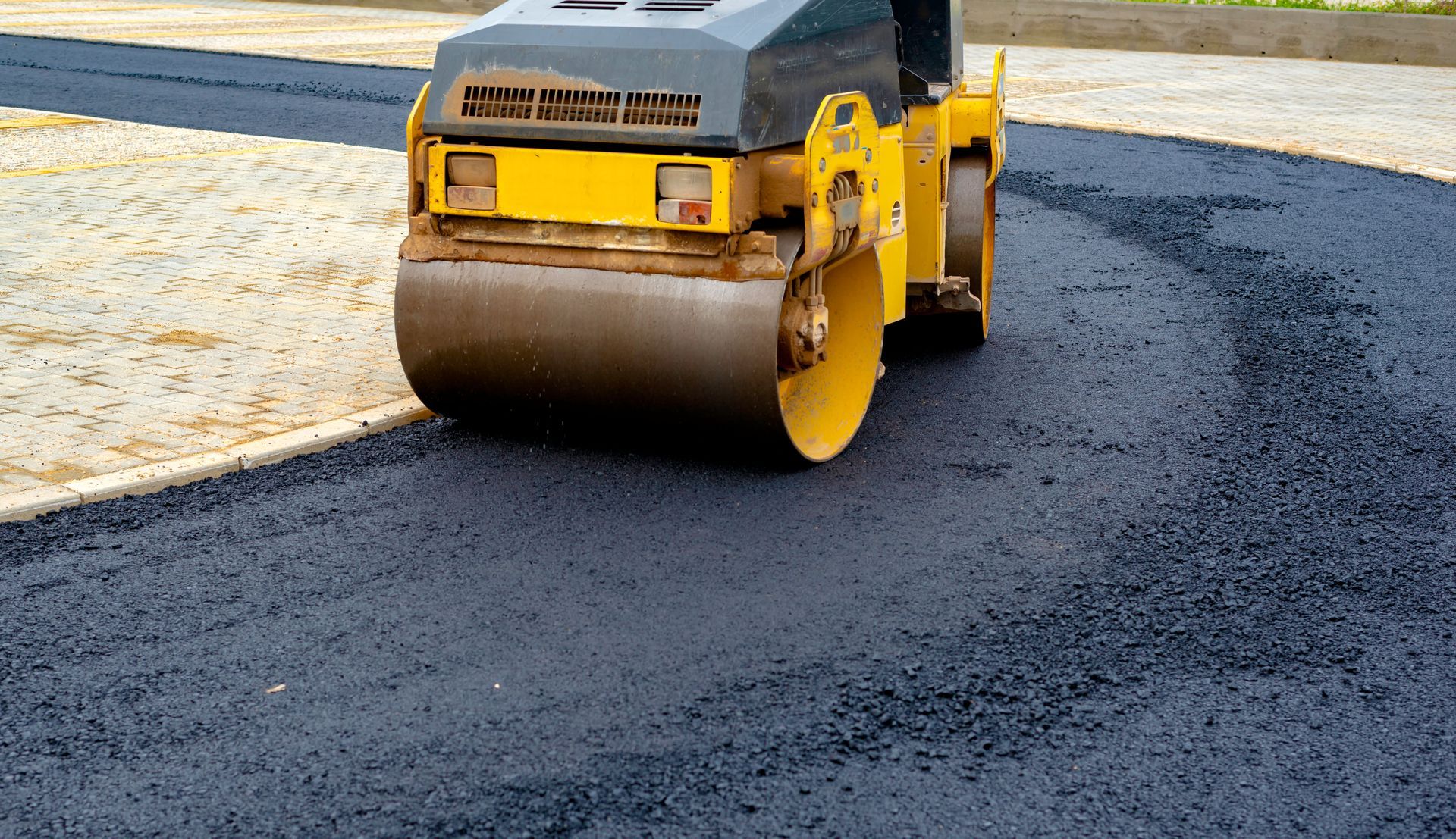
One effective pothole repair strategy involves cleaning debris from the hole, filling it with hot-mix asphalt, and compacting the material to achieve a level surface. This method is suitable for larger potholes and ensures a durable repair that blends seamlessly with the existing driveway.
Preventing and Treating Oxidation
Oxidation is a gradual process that affects asphalt by hardening and decreasing its flexibility. This phenomenon is caused by prolonged exposure to sunlight and air, leading to fading, susceptibility to cracking, and structural weakening. Preventing and treating oxidation is critical for maintaining the asphalt driveway's appearance and durability.
One preventive measure involves regular sealcoating, as previously discussed, which forms a protective barrier against UV rays and environmental elements. This not only improves the surface's resistance but also revitalizes its visual appeal.
Handling Oil and Chemical Stains
Oil and chemical stains on an asphalt driveway not only mar its aesthetic but can also weaken the surface over time. These substances penetrate the asphalt and break down its molecular structure, leading to softening and eventual cracking. Timely and effective stain removal is essential to prevent long-term damage.
One method for addressing oil stains is to apply absorbent materials like cat litter or baking soda to absorb excess residue, followed by thorough cleaning with a degreasing agent and a stiff brush. For more stubborn stains, pressure washing might be necessary to fully cleanse the surface. Chemical spills require immediate attention with appropriate cleaning agents to neutralize and remove the contaminants.
Dealing With Root Intrusions
Root intrusions into asphalt driveways can cause significant damage, leading to cracks, heaving, and surface deformation. These occur when roots seek moisture and nutrients under the driveway, disrupting the material's structural integrity. Dealing with root intrusions promptly can prevent extensive damage and maintain a level surface.
One effective measure for addressing root intrusions is to remove overhanging branches or nearby vegetation that poses a risk to the driveway. For larger tree roots causing disruption, professional arborists can assess and prune the roots or suggest alternatives like root barriers to direct growth away from the driveway.
Preparing for Winter Weather
Winter weather presents unique challenges for maintaining an asphalt driveway, with snow, ice, and freezing temperatures posing risks to its integrity. Preparing the driveway adequately for winter involves several strategies aimed at minimizing damage and ensuring safe use throughout the season. These preparations can notably extend the driveway's lifespan and maintain its appearance.
Maintaining an asphalt driveway comes down to consistent attention and timely action. From routine cleaning and seasonal upkeep to sealing, crack repair, and proper drainage management, each step plays a role in preserving both the strength and appearance of the surface. By staying ahead of seasonal challenges and addressing damage as soon as it appears with the help of professional driveway services like Martin Asphalt Paving Service Inc, you can significantly extend the life of your driveway while keeping it safe, functional, and visually appealing for years to come. Reach out to us today to get started with a free estimate!